Author: FlyingTogether

  • Uge Schedule Source: Login, Features and Prices

    Uge Schedule Source: Login, Features and Prices

    UGE Schedule Source.

    Login, Features, Customer Service, Pricing, and Common Problems

    UGE Schedule Source, often associated with ScheduleSource TeamWork, is a cloud-based workforce management and employee scheduling platform used by organizations that need better control over shifts, staffing, attendance, leave, and day-to-day workforce communication. Instead of relying on paper schedules, spreadsheets, long email chains, or manual shift changes, companies use the platform to keep scheduling data in one central place. Managers can build, update, and publish schedules, while employees can log in to view shifts, check work details, request time off, track hours, and in many cases swap or claim shifts through self-service tools.

    For companies with rotating schedules, multiple departments, multi-location staffing, or compliance rules around breaks, hours, and qualifications, a system like UGE Schedule Source can reduce confusion and save a significant amount of administrative time. It is designed to support both managers and employees. Managers gain more control over labor planning, while employees get easier access to their schedules from a web browser or mobile device.

    What Is UGE Schedule Source?

    UGE Schedule Source is best understood as a workforce scheduling and workforce management solution. In many online references, it is connected to ScheduleSource TeamWork, a platform built for organizations that need to manage schedules, time tracking, employee availability, leave, labor rules, and operational coverage in a more automated way. In practical use, employees often know it simply as the place where they check their work schedule, see updates, or request time off.

    The “UGE” portion is commonly described as the engine behind the scheduling process. In simple language, it refers to the scheduling logic that helps the system organize staff based on rules, roles, hours, locations, and availability. That matters because manual scheduling gets messy very quickly. The moment a workplace has multiple shifts, part-time staff, full-time staff, absences, and last-minute changes, errors become common. A scheduling engine helps reduce those conflicts and keeps the system more structured.

    Instead of one person constantly texting employees about coverage changes, the system can help publish updates in one location. Instead of workers calling in just to ask whether they are on the schedule next Tuesday, they can usually log in and see it themselves. That is the core appeal of the platform: centralization, accuracy, and speed.

    What Is UGE Schedule Source Used For?

    Most organizations use UGE Schedule Source for several connected tasks rather than just one. The most visible use is employee scheduling, but the system typically extends far beyond that. Depending on how an employer has configured it, the platform may be used for shift creation, schedule publication, attendance tracking, leave requests, shift swapping, employee messaging, time clock activity, and labor rule enforcement.

    Typical uses include:

    • Creating employee schedules for daily, weekly, or monthly staffing needs
    • Publishing shifts to employees through a secure portal
    • Tracking attendance and time worked
    • Managing leave balances, vacation requests, and approvals
    • Handling shift swaps, open shifts, and coverage requests
    • Reducing overstaffing and understaffing
    • Supporting compliance with rules on hours, breaks, qualifications, and overtime
    • Providing reporting and labor analytics for managers

    In other words, it is not just a calendar. It is a workforce coordination system.

    How UGE Schedule Source Works

    The system usually follows a structured workflow. First, an employee account is created or enabled by the employer. Next, the organization defines job roles, locations, scheduling rules, and staffing requirements. Managers then build schedules and publish them. After that, employees log in to review their shifts and, depending on permissions, may also request leave, submit availability, trade shifts, or claim open shifts.

    A typical scheduling cycle looks like this:

    1. Employee accounts are created by the employer or administrator.
    2. Work roles, departments, locations, and scheduling rules are set.
    3. Managers create schedules manually or with system assistance.
    4. Schedules are published to the employee portal or app.
    5. Employees review shifts and receive notifications of changes.
    6. Requests for leave or swaps are submitted.
    7. Managers review and approve changes where required.
    8. Time and attendance data feed into workforce and payroll processes.

    Because everything happens in one platform, it becomes easier to keep everyone on the same page. That is one of the main reasons organizations adopt digital scheduling tools in the first place.

    UGE Schedule Source Login: How to Sign In

    The exact login page can vary by employer, because many organizations use their own portal link or TeamWork code. That means there is no single universal employee login URL that works for every company in the same way a Gmail or Facebook login works. Your employer normally provides the correct portal address, company code, and your username or employee ID.

    In most cases, the login process is straightforward:

    1. Open your employer’s UGE Schedule Source or ScheduleSource TeamWork login page. For UAL Airlines Employees, the Uge Schedule Source Login page is at https://signon.ual.com/oamfed/idp/initiatesso?providerid=ScheduleSource. For the ScheduleSource Teamwork Login, visit https://tmwork.net/signin
    2. Enter your username, employee ID, or assigned login name.
    3. Enter your password.
    4. If required, enter the organization code or portal code.
    5. Select Sign In or Login.
    6. Open your dashboard, schedule, calendar, or time section.
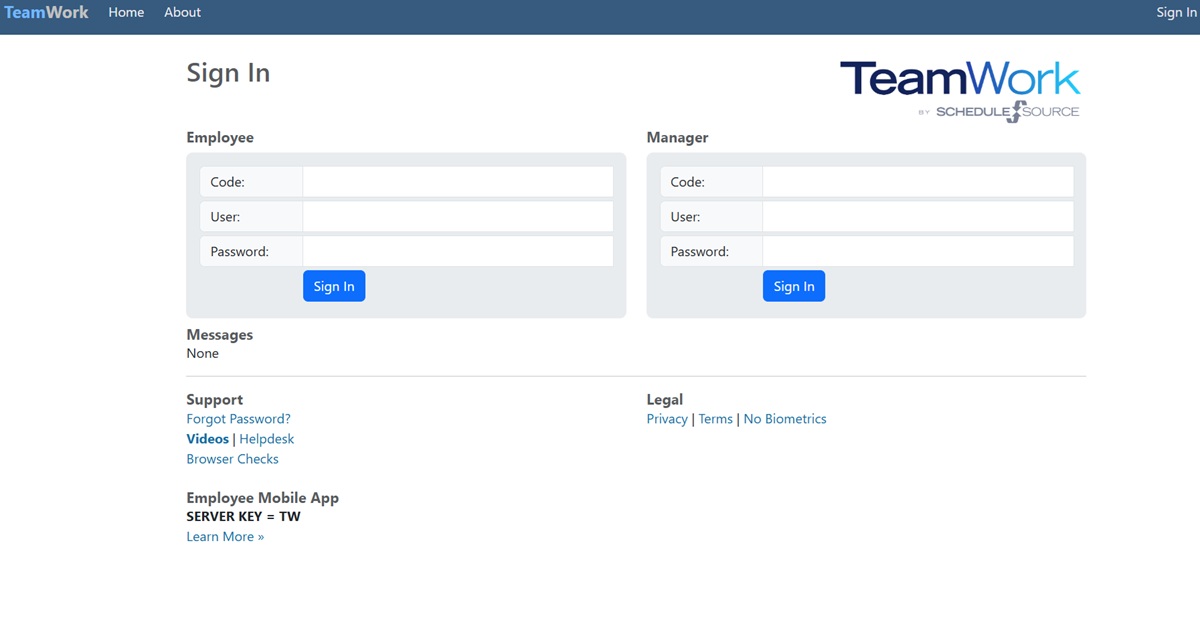
    uge schedule source login
    The Uge Schedule Source Teamwork login page.

    If your employer uses the mobile app, you may need a one-time app key the first time you sign in. After installing the app, users are often asked to enter the one-time key, organization code, username, and password. The code and username/password are usually the same credentials used for the web portal, while the one-time key is typically found inside the TeamWork website under the mobile app area or provided by the employer.

    Once logged in, employees may be able to:

    • View current, future, and past shifts
    • See full schedule details
    • Check totals or hours worked
    • Request time off
    • Post or claim shifts on a Swapboard
    • Clock in and out if time clock features are enabled
    • Receive notifications about schedule changes
    • Update contact or profile information

    What to Do If UGE Schedule Source Login Is Not Working

    Login problems are one of the most common complaints with any workforce portal. In many cases, the problem is not the platform itself but a wrong login page, expired password, missing company code, or a temporary sync issue with the employer’s account setup.

    If you cannot sign in, check these things first:

    • Make sure you are using the correct employer-specific login page
    • Confirm that your username or employee ID is correct
    • Check whether your password was recently changed or expired
    • Verify that your organization code is entered correctly
    • Clear browser cache or try a different browser
    • Try the mobile app if the website is not loading, or vice versa
    • Confirm your account has been activated by your manager or administrator

    If the system says your account is invalid, locked, disabled, or not found, that usually means you need help from your organization’s scheduler, administrator, HR team, or workforce management contact. If the issue affects many users at once, it may be a system outage or maintenance event.

    UGE Schedule Source App and Mobile Access

    One major advantage of UGE Schedule Source is remote access. Employees do not have to be on-site just to check tomorrow’s shift or review an approved day off. With the mobile app, users can often do many of the same tasks they would perform on the desktop portal, including viewing schedules, seeing shift details, posting shifts to a swap board, claiming eligible shifts, reviewing leave requests, and receiving notifications.

    Mobile access is especially important for shift-based workplaces. Workers who do not sit at a desk all day still need a reliable way to see last-minute schedule updates. A mobile-first experience also reduces the number of routine questions managers receive, because employees can look up information themselves rather than calling or texting for every small detail.

    That said, not every feature is enabled for every organization. Employers can configure permissions differently. One company may allow workers to claim open shifts from the app, while another may only allow them to view schedules and submit leave requests.

    Main Features of UGE Schedule Source

    1. Employee Scheduling

    This is the platform’s core function. Managers can assign shifts, create repeating patterns, fill open coverage, and publish schedules to employees. In more complex environments, scheduling can be driven by rules, credentials, staffing demand, or labor thresholds.

    2. Time and Attendance Tracking

    The system can track work hours, clock events, attendance status, overtime, and related payroll data. This helps employers monitor who is on time, who is absent, and whether labor hours are aligning with the published schedule.

    3. Employee Self-Service

    Employees can often manage common schedule-related tasks without needing a manager to manually handle every request. This may include checking shifts, requesting leave, reviewing hours, updating availability, or using swap features.

    4. Shift Swapping and Swapboard

    One of the most useful features for many organizations is the ability to post, trade, or claim shifts. Instead of a supervisor managing every single change manually, employees may be able to offer shifts or pick up open coverage, subject to employer rules and eligibility checks.

    5. Leave Management

    Vacation, sick time, leave balances, and approvals can be centralized in the system. This reduces the risk of managers overlooking requests or accidentally scheduling someone who was already approved to be off.

    6. Notifications and Alerts

    Schedule changes matter only if employees actually see them. Notifications by email, SMS, or push alert can help workers react faster when there is a new shift, a swap opportunity, or a change to an existing schedule.

    7. Reporting and Analytics

    Managers often need more than just a visible schedule. Reporting tools can help them analyze labor costs, hours worked, attendance patterns, schedule adherence, and staffing trends over time.

    8. Integration Possibilities

    Workforce scheduling becomes much more useful when connected to payroll, HR, and related systems. Integrated workflows reduce duplicate data entry and improve accuracy.

    Who Uses UGE Schedule Source?

    UGE Schedule Source is most useful in organizations with complex scheduling needs. It is not just for one industry. It fits workplaces where employee hours vary, shifts rotate, staffing rules matter, and schedules change frequently.

    Common use cases include:

    • Healthcare organizations with rotating clinical or support staff
    • Higher education institutions with student workers and departmental staffing
    • Retail and hospitality operations with changing daily demand
    • Transportation and contact center environments with variable staffing patterns
    • Multi-location businesses that need centralized scheduling and labor control

    These environments tend to benefit the most because scheduling mistakes there are expensive. Too few workers can hurt service levels. Too many workers can drive up labor costs. A structured scheduling platform helps manage that balance.

    Benefits of Using UGE Schedule Source

    Better Organization

    Everything is stored in one system instead of scattered across spreadsheets, texts, emails, and paper schedules. That reduces confusion and improves accountability.

    Faster Schedule Updates

    Managers can adjust shifts quickly, and employees can usually see changes right away. This is especially helpful in workplaces where coverage changes frequently.

    Improved Accuracy

    Digital scheduling can reduce overlapping shifts, missed assignments, inconsistent records, and timekeeping mistakes. The more complex the workforce, the bigger this benefit becomes.

    Greater Employee Visibility

    Employees can review their own shifts, hours, and requests without waiting for someone else to answer them. That self-service convenience improves the day-to-day experience.

    Compliance Support

    For organizations that need to follow labor rules, break requirements, overtime controls, union rules, or credential restrictions, rule-based scheduling can help reduce violations.

    Labor Cost Control

    Forecasting and better schedule design can reduce unnecessary overtime and avoid overstaffing. That makes the system attractive to operations and HR leaders, not just schedulers.

    UGE Schedule Source Pricing

    Pricing is one of the most searched topics, but it is also one of the least transparent. In practice, UGE Schedule Source pricing is usually handled on a quote basis rather than with a simple public monthly plan listed on the homepage. That means your organization normally needs to contact ScheduleSource or request a demo to get pricing tailored to company size, modules, locations, and workforce complexity.

    This is common for workforce management software because pricing often depends on factors such as:

    • Number of active employees
    • Number of locations or departments
    • Whether time and attendance is included
    • Whether leave management is included
    • Use of mobile app functionality
    • Integration needs with payroll or HR systems
    • Reporting and analytics requirements
    • Implementation and training scope

    If you are an employee, there is generally no direct cost to log in and use the system your employer provides. If you are a company evaluating the software, the best next step is usually to request a demo and a vendor quote.

    How to Contact UGE Schedule Source Customer Service

    If you are an employee and need immediate help, your first contact should usually be your employer’s scheduler, manager, HR office, or system administrator. That is because ScheduleSource hosts the system, but your employer controls your account, permissions, portal access, and many configuration choices.

    If your organization needs vendor-level help or you are researching the software as a buyer, customer service and contact routes generally include sales and support channels. In many cases, companies can request a demo, ask about implementation, or contact support for platform issues.

    Before contacting support, gather the following details:

    • Your organization name
    • Your portal or TeamWork code
    • Your username or employee ID
    • The exact error message shown
    • The browser or app version you are using
    • The date and time the problem occurred
    • Screenshots if possible

    Providing those details usually makes support faster and more accurate.

    Common Problems Users Have With UGE Schedule Source

    The most common issues are usually practical ones rather than technical mysteries. People often run into problems signing in, finding the correct company code, seeing an empty schedule, understanding why they cannot claim a shift, or figuring out why the app is asking for a one-time key.

    Other frequent complaints include:

    • Password reset loops
    • Schedule changes not appearing immediately
    • Clock-in restrictions due to location or permissions
    • Missing notifications
    • Leave requests that appear stuck in pending status
    • Shift swaps that are visible but not claimable
    • Confusion between the employer’s portal and the general vendor site

    Most of these issues are fixable once you know whether the problem is caused by credentials, permissions, publication timing, app setup, or employer-specific rules.

    Frequently Asked Questions About UGE Schedule Source

    1. What is UGE Schedule Source used for?

    UGE Schedule Source is used to manage employee schedules, attendance, leave, and shift-related communication in one platform. Managers use it to create and publish schedules, while employees use it to check shifts, request changes, and review work details. It is designed to make scheduling more accurate, faster to manage, and easier to access from different devices.

    2. Is UGE Schedule Source the same as ScheduleSource TeamWork?

    In many online references, UGE Schedule Source is discussed together with ScheduleSource TeamWork because they are connected to the same workforce management environment. Employees may use the terms interchangeably depending on what their employer calls the system. In practical terms, if your company uses TeamWork by ScheduleSource, you are likely using the same broader scheduling ecosystem people refer to as UGE Schedule Source.

    3. How do I log in to UGE Schedule Source?

    You usually log in through an employer-specific portal rather than one universal public login page. Your company normally gives you the correct link, your username or employee ID, and your password or first-time setup steps. If your company also uses the mobile app, you may need a one-time app key during initial setup.

    4. Why is my UGE Schedule Source login not working?

    The most common reasons are an incorrect password, wrong organization code, incorrect login page, or an account that has not been activated properly. It can also happen after a password change, browser issue, or account lockout. Start by double-checking your credentials, then contact your manager or administrator if the problem continues.

    5. What should I do if I forgot my password?

    Use the password reset option if your organization has enabled it on the login page. If there is no reset link, your company may require an administrator, scheduler, or HR contact to reset it for you. After resetting the password, try signing in again on the website before assuming the mobile app is the problem.

    6. Why does the mobile app ask for a one-time key?

    The mobile app often requires a one-time key during first-time setup so it knows which employer environment to connect to. This key is not always the same as your username or company code. If you do not have it, check your TeamWork website instructions or ask your employer for the correct mobile setup details.

    7. Can I use UGE Schedule Source on my phone?

    Yes, many organizations support mobile access through the ScheduleSource TeamWork app. Depending on employer settings, you may be able to view schedules, receive notifications, check leave, use swap features, and clock in or out. However, available features depend on how your employer has configured the system.

    8. Why can I log in on the website but not in the app?

    This often happens when the one-time key was entered incorrectly, the organization code is wrong, or the saved login information in the app is outdated. It can also happen if the employer has not enabled mobile access for your account or if the company is using an older release that does not support the feature you expect. Re-enter the setup details carefully and contact your administrator if the problem continues.

    9. Why is my schedule missing after I log in?

    A missing schedule does not always mean your shifts were removed. In many cases, the schedule has not been published yet, the wrong date range is selected, or the manager is still editing it. Refresh the page, check the calendar period, and then ask your supervisor whether the latest schedule has officially been posted.

    10. Why can’t I see next week’s shifts yet?

    Many organizations publish schedules on a specific day rather than showing draft schedules in advance. If the upcoming week is not yet published, employees may see a blank area even though managers are already working on it. This is usually a workflow setting, not an app malfunction.

    11. Can I request time off in UGE Schedule Source?

    In many organizations, yes. The employee self-service side of the system often allows workers to submit leave or time-off requests directly through the portal or app. Whether you can do that depends on your employer’s configuration and approval rules.

    12. Why is my time-off request still pending?

    A pending request usually means a manager or approver has not reviewed it yet. In some workplaces, multiple approval levels exist, so even if one person sees it, another approval may still be required. If it has been pending for too long, follow up with your supervisor rather than assuming the request failed.

    13. Can I swap shifts with another employee?

    Many organizations enable a shift swap or Swapboard feature that lets employees post, trade, or claim eligible shifts. However, not every employer allows every type of swap, and eligibility rules may limit which shifts you can take. If you do not see swap options, your employer may have disabled the feature for your location or role.

    14. Why can I see a shift on the Swapboard but not claim it?

    That usually means a rule is blocking you. You may not have the right qualifications, may already be scheduled during that time, may exceed hours or overtime limits, or may not meet location-specific eligibility rules. In most cases, the system is protecting against scheduling conflicts rather than failing randomly.

    15. Does UGE Schedule Source track time and attendance?

    Yes, many employers use it for time and attendance as well as scheduling. That can include web time cards, clock events, totals, attendance status, and integration with payroll processes. The exact tools available to you depend on which modules your company has enabled.

    16. Why can’t I clock in from my phone?

    Some organizations restrict mobile clock-in by location, device, IP range, or role. Others may allow schedule viewing on mobile but require time entry through a kiosk, web portal, or on-site method. If the clock button is missing or blocked, that usually reflects employer settings rather than a universal limitation of the platform.

    17. How do notifications work in UGE Schedule Source?

    Notifications can be sent by push alert, email, or text depending on the organization’s setup. They may be used for schedule changes, swap board activity, approvals, alerts, or other workforce events. If you are not receiving them, check both your app notification permissions and the contact details stored in your employee profile.

    18. Why am I not receiving schedule change alerts?

    There are several possible causes. Notifications may be disabled on your phone, your email address or phone number in the system may be outdated, or your employer may not have enabled that type of alert for your account. Start by checking profile details and app permissions before escalating the issue.

    19. Can I view past schedules or hours worked?

    In many organizations, yes. Employees may be able to review past shifts, totals, hours worked, or time entries from earlier periods. If you do not see older data, it may be hidden by permissions or by the date range currently selected.

    20. Is UGE Schedule Source only for large companies?

    No, but it is especially valuable for organizations with complex scheduling needs. Multi-location businesses, healthcare providers, universities, retail operations, transportation teams, and contact centers often benefit the most. Smaller organizations can also use it, especially if manual scheduling has become too time-consuming.

    21. What industries commonly use UGE Schedule Source?

    Healthcare, higher education, retail, hospitality, transportation, service operations, and contact centers are all strong examples. These environments often have rotating shifts, variable demand, and compliance rules that make manual scheduling difficult. A structured platform helps them manage all of that more consistently.

    22. Does UGE Schedule Source help with compliance?

    Yes, that is one of the key reasons many organizations adopt workforce management software. The system can support rules tied to hours, breaks, overtime, credentials, and staffing restrictions. That does not replace management oversight, but it can reduce many avoidable scheduling mistakes.

    23. Does UGE Schedule Source integrate with payroll?

    It can, depending on the employer’s setup and purchased modules. Many organizations want schedule data, attendance data, and pay rules to connect more smoothly with payroll and HR systems. Integration reduces duplicate data entry and helps lower payroll errors.

    24. How much does UGE Schedule Source cost?

    Public pricing is usually not displayed in a simple flat-rate format for general buyers. In most cases, companies need to request a quote based on workforce size, modules, number of locations, and implementation needs. If you are an employee, you normally do not pay anything directly to use the system your employer provides.

    25. Can I change my availability in the system?

    Many organizations allow employees to update availability or submit availability preferences through the portal. That said, not every employer turns this feature on, and some require manager approval before schedule rules change. If you do not see an availability section, ask your scheduler whether your organization uses it.

    26. Why does the system show a conflict when I try to take a shift?

    A conflict message usually means the platform has detected a rule issue. You may already be working another shift, exceed maximum hours, break a qualification rule, or violate a location-specific scheduling restriction. These messages are often frustrating, but they are usually protecting schedule integrity.

    27. What if my account says disabled or locked?

    A disabled or locked account usually needs administrator help. It may happen after too many failed login attempts, after a job status change, or after account maintenance by HR or management. If that happens, contact your employer’s scheduling administrator or HR support rather than repeatedly retrying the same password.

    28. Is there customer service for UGE Schedule Source?

    Yes, there are vendor contact routes for sales, demos, and support, but employees should usually start with their own employer first. Your company controls your account, permissions, and portal setup, so many employee-level issues can only be resolved internally. Vendor support becomes more relevant when the organization itself is troubleshooting the platform.

    29. Why does my schedule look different from a coworker’s schedule?

    That can happen for several reasons. You may be assigned to different roles, different locations, or different date filters, or your employer may have different permissions enabled for your account. If the difference looks like a real error rather than a view setting, ask a manager to verify the published schedule.

    30. Is UGE Schedule Source easy to use for new employees?

    Most employees find the basic functions manageable once they know where to log in and what credentials to use. The most confusing part is usually initial setup, especially if the employer uses organization codes, one-time keys, or custom portal links. After that, viewing schedules and handling routine requests is generally much easier than relying on paper schedules or manual updates.

    For New Users.

    UGE Schedule Source is more than just a place to check tomorrow’s shift. It is a broader workforce management system designed to bring scheduling, time tracking, leave, staffing rules, and communication into one organized platform. For managers, it reduces administrative effort and improves staffing visibility. For employees, it makes schedules more accessible and gives them a better self-service experience.

    If you are trying to use UGE Schedule Source as an employee, the most important thing is to get the correct employer login details, including the right portal link, code, username, password, and mobile setup key if applicable. If you are evaluating it as a business, focus on the areas where the platform delivers the most value: structured scheduling, shift flexibility, labor control, attendance tracking, and employee self-service.

    When used well, a digital scheduling platform can replace confusion with clarity. That is ultimately why systems like UGE Schedule Source matter. They help organizations stay organized, responsive, and far more efficient than manual scheduling ever could.
  • CCS Coair, Skynet UAL, EresPassrider Login and FAQ

    CCS CoAir, Skynet UAL and eResPassrider Login and FAQ.

    All your questions answered about CCS CoAir, Skynet UAL, Flyingtogether, and eResPassrider

    CCS is a legacy name that still shows up across United’s internal tools and documentation. It originally referred to the Crew Communications System used by Continental Airlines (“CoAir”), and after the merger, the name continued to be used in various workflows, links, and references.

    Today, United employees will most commonly run into “CCS CoAir” when trying to:

    • Access crew scheduling functions (viewing schedules, reserve status, assignments, swaps/trades depending on role and workgroup)
    • Launch scheduling-related tools from Flying Together
    • Troubleshoot sign-on issues (SSO, MFA, browser/cookies, network access)

    Please refer to the extensive FAQ at the end covering the most common questions and problems people report online.

    Quick links (official sign-in paths)

    Most United work tools are accessed through Flying Together and/or UAL’s Single Sign-On.

    Note: some links may only work on the United network, VPN, managed devices, or for certain employee groups. If a link opens but shows an access/eligibility error, that can be a permissions or network-context issue (not necessarily “down”).

    What CCS CoAir is (and what it is not)

    What it is

    CCS CoAir is best thought of as a crew scheduling access point and a legacy naming layer that routes you into scheduling functions. “CoAir” is the historical Continental label; many internal systems keep these legacy identifiers for compatibility.

    What it is not

    CCS CoAir is not a public consumer website, and it is not the same thing as:

    • eRes (employee travel / pass travel tools)
    • Skynet UAL (often used as a shorthand for an internal inflight scheduling/satellite-base workflow; the exact tool name people mean can vary)
    • United.com (customer-facing booking and account tools)

    How access usually works at United (SSO, network, and roles)

    Most United internal apps follow a similar pattern:

    • You start at Flying Together (or a deep link from email/training docs).
    • You authenticate via UAL sign-on / SSO (username + password + MFA if required).
    • Your workgroup role (pilot, inflight, airport ops, corporate, etc.) controls what you can see.
    • Your network context (United network, VPN, managed device, or public internet) can affect access.

    If you ever see messages like “not eligible,” “not authorized,” or “merchant not eligible,” treat them as an access context / permissions problem first (not necessarily a “broken site”).

    How to log in to CCS CoAir (common pathways)

    Option A: Start from Flying Together (recommended)

    This is the most stable method because Flying Together links usually handle routing and current sign-on rules:

    • Go to Flying Together.
    • Sign in via SSO if prompted.
    • Open the scheduling tool from the official internal page (not from random saved bookmarks).

    Option B: Use the direct CCS entry link (if permitted)

    Some employees can reach CCS via:

    https://ccs.ual.com/CCS/default.aspx

    If it redirects, prompts repeatedly, or fails to load, jump to the troubleshooting section below. Many access issues come down to cookies, SSO sessions, or being off-network.

    Skynet UAL Login:

    SkyNet at United Airlines (UAL) is
    the United Airlines company’s legacy internal employee portal and intranet system, used for accessing work schedules, travel benefits (pass travel), payroll, and news, often accessed via the “FlyingTogether” platform. It is a central hub for employee self-service.

    United Airlines employee portal (formerly often referred to as Skynet/Empres) is accessed via Flying Together at https://flyingtogether.ual.com or https://ft.ual.com. Employees log in using their File Number (uID) and password to access company resources, payroll, and benefits.

    The UAL Skynet Login Official Portal URL is : https://flyingtogether.ual.com
    Alternative URL: https://ft.ual.com

    Username Format: Often uses u + file number (e.g., u05xxxx), ensuring a zero is used instead of the letter “O” if applicable.

    eRes Ual Login (eResPassrider)

    eRes is the employee travel environment (pass travel, listings, traveler profile management depending on your permissions). It’s commonly accessed via:

    https://eres.ual.com/

    Important: eRes is not the same as crew scheduling (CSS CoAir). However, many employees confuse them because both are accessed via Flying Together and both involve sign-on, eligibility, and role-based access.

    United Airlines employees and eligible pass riders access EmployeeRES (eRES) for standby travel via https://eres.ual.com/, requiring a uID/username and password.

    Employees manage listings there, while enrolled friends/family may get specific logins or use the United app if linked by the employee.

    Main Login URL: https://eres.ual.com/

    Pass Rider Specific Link: https://erespassrider.ual.com/employeeres/passriderlogin.aspx

    Buddy Passes: Cannot have their own login; employees must book for them.

    Enrolled Friends/Family: Can sometimes get separate logins or link MileagePlus to the United app if set up by the employee.

    Pass rider and traveler access has been shifting toward linking a MileagePlus account and using the United app for certain actions, rather than relying on separate “buddy/passrider” web logins. If a pass rider cannot log in the way they used to, that can be policy-driven rather than a technical failure.

    Best practices: avoid the most common access problems

    • Use Flying Together first for the “official route” and current links.
    • Avoid old bookmarks saved years ago. Internal paths change.
    • Try a private/incognito window only as a test. If it works there, you likely have a cookie/session conflict.
    • Allow cookies for United domains when using SSO-based apps (SSO often depends on cookies).
    • Try a different browser if you’re stuck in a sign-in loop (Chrome/Edge differences can matter).
    • Disable extensions that intercept traffic (privacy/VPN/proxy/“security” add-ons). These can cause redirects, blank pages, or odd eligibility errors.
    • Confirm network context: some internal tools require United network/VPN/managed device.

    Troubleshooting CCS CoAir, Skytal, and eRes

    1) Sign-in loop (keeps returning to login)

    Most often caused by a cookie/session problem:

    • Clear cookies for United/UAL domains (or clear all cookies if you can).
    • Close all browser tabs, reopen, and try again.
    • Try a different browser profile (separate work profile helps).
    • Temporarily disable extensions, especially VPN/proxy/privacy tools.

    2) “Not authorized” / “Not eligible” messages

    Common causes include:

    • You are not in the correct employee group for that tool.
    • You are off-network and the tool requires VPN/managed device.
    • Your SSO session is valid but your app authorization token is not (log out fully and back in).
    • The link is old and points to a retired page.

    Fix: start from Flying Together and open the tool from the current hub page, then re-check access from the correct network context.

    3) Blank page / endless loading / “please wait”

    Try:

    • Hard refresh (Ctrl+F5 on Windows).
    • Disable ad blockers and privacy blockers for United domains.
    • Try Edge if Chrome fails (or vice versa).
    • Confirm JavaScript is enabled.
    • Test from a different network (home vs hotspot) only if policy allows.

    4) MFA issues

    If MFA prompts are not appearing or are failing:

    • Confirm your device time is correct (time drift can break authenticator flows).
    • Re-try from Flying Together so SSO handles the correct authentication path.
    • If you changed phones, you may need re-enrollment through official IT channels.

    5) “This site can’t be reached” / DNS / certificate errors

    This can happen if:

    • You’re on a network that blocks corporate subdomains.
    • You’re behind a VPN/proxy that interferes with certificates.
    • The tool is restricted to United network access.

    Fix: disable non-United VPN/proxy, try from the official network route, and use Flying Together as the launch point.

    Security note (very important)

    Internal tools attract phishing attempts and “lookalike” pages. Protect yourself:

    • Prefer starting from Flying Together rather than clicking unknown links.
    • Check the domain carefully (United internal domains are typically under ual.com).
    • Do not enter credentials into random “help” sites or popups.
    • If something behaves like malware (popups, redirects, “merchant not eligible” odd pages), check your browser extensions and run security scans.

    FAQ – CCS CoAir, Skytal UAL, and eRes.

    What does “CCS CoAir” stand for?

    It’s shorthand for “Crew Communication System – Continental Airlines.” “CoAir” is a legacy Continental identifier that persists in internal naming even after the merger.

    Is CCS CoAir the same thing as Flying Together?

    No. Flying Together is the employee portal and launch point for many tools. CCS CoAir is a scheduling system reference or entry point that you typically reach through Flying Together or a direct internal link.

    Is CCS  CoAir only for pilots?

    No. Crew scheduling tools can be relevant to multiple workgroups. What you see depends on your role, permissions, and the internal apps your department uses.

    Why do people still say “CoAir” at United?

    It’s mostly legacy terminology. Internal systems, documentation, and even URLs can keep older labels for compatibility and continuity.

    What is the safest way to access CCS CoAir?

    Start from Flying Together and navigate from the official scheduling hub for your workgroup. That route is most likely to be current and properly authenticated.

    What is the direct CCS link people share?

    A commonly shared legacy entry is:

    https://ccs.ual.com/CCS/default.aspx

    Access can be restricted by network context and role.

    Where do I log in for eRes?

    eRes is typically accessed via Flying Together or the eRes entry at:

    https://eres.ual.com/

    Why does eRes sometimes say a pass rider can’t create a login?

    Online discussions suggest some pass rider access has been changing over time, with more emphasis on linking a MileagePlus account and using the United app for specific pass-travel tasks rather than separate web logins.

    I’m stuck in a login loop. What’s the first thing to try?

    Clear cookies for United/UAL domains, close all tabs, reopen the browser, and launch the tool from Flying Together instead of a bookmark. Then disable extensions that might interfere (VPN/proxy/privacy).

    Why does it work on my work computer but not at home?

    Some internal tools require United network context, VPN, or a managed device. Home networks plus privacy extensions can also break SSO flows.

    Can browser extensions break CCS CoAir or eRes?

    Yes. Extensions that inject scripts, block cookies, rewrite links, force proxies, or filter traffic can cause redirects, blank pages, or unexpected eligibility errors.

    What should I do if I see a weird “eligibility” or “merchant” error?

    Treat it as suspicious until proven otherwise. Disable extensions, confirm the domain is correct, relaunch from Flying Together, and run security checks if redirects or popups continue.

    Which browser works best?

    It varies, but if one browser loops or loads blank pages, try another (Chrome vs Edge). Many SSO issues are browser-profile or cookie-policy related.

    Do pop-up blockers matter?

    They can. Some enterprise tools open new windows for authentication or embedded modules. If something won’t open, try allowing popups for United domains.

    What if the site loads but I’m told I’m not authorized?

    That usually means your role doesn’t have access to that module, or you’re not in the correct network context. Launch from the correct workgroup page on Flying Together and try again.

    Why did my old bookmark stop working?

    Internal paths change. Bookmarks often point to retired pages or require a new authentication method. Replace the bookmark with the current Flying Together hub page.

    What if Flying Together itself won’t load?

    Try a different browser, disable extensions, check your network, and confirm you are using the official domain:

    What is the UAL sign-on page?

    A commonly referenced SSO entry is:

    https://signon.ual.com/

    How do I fully “log out” to reset a broken session?

    Close all browser tabs, clear cookies for United/UAL domains, then open a fresh browser window and start again from Flying Together. Partial logouts often leave stale tokens in place.

    Why do I keep getting redirected between sites?

    SSO tools pass tokens between domains. If cookies are blocked or an extension rewrites requests, the token exchange fails and you can get stuck bouncing between pages.

    Does using a personal VPN cause problems?

    It can. Some VPN endpoints trigger security checks, block corporate subdomains, or interfere with certificates. If you are allowed to, disable personal VPNs and retry.

    Can I access these tools on a phone?

    Some functions work on mobile and some do not. If a tool is designed for desktop or requires popups/embedded modules, mobile browsers can struggle. If you’re troubleshooting, test from a desktop browser.

    What if my password works on one tool but not another?

    That can happen if you’re actually signing into different identity systems, or if one tool is failing to complete SSO properly. Start from Flying Together to ensure you’re using the correct authentication path.

    How do I handle “account locked” messages?

    Use the official password reset/unlock flow through United IT channels and Flying Together. Avoid third-party “reset” sites or links from search results.

    What’s the difference between CCS and eRes?

    CCS is scheduling-focused (crew work), while eRes is travel-focused (pass travel and employee travel functions). They are different tools even if the sign-on experience looks similar.

    Is “eRes” the same as employeeRES?

    Employees often use these names interchangeably. In practice, many travel functions live behind the eRes environment accessed from Flying Together.

    Why does eRes sometimes show policy reminders for pass riders?

    Pass travel policies and tooling can change, and eRes is where reminders and workflow shifts often appear. If something changed “overnight,” it can be a policy/tool migration rather than an outage.

    Where should I look for the most current pass travel policy?

    For the most current policies, United employee resources often point back to Flying Together’s Travel section. A retiree association page also emphasizes checking Flying Together for the latest travel policy details.

    What number do people cite for IT help with Flying Together password resets?

    A retiree resource page lists a United Digital Technology Service Desk number for Flying Together password resets. Always verify the current number inside Flying Together because contact routes can change.

    My page loads but buttons don’t work. Why?

    Usually JavaScript is being blocked by a privacy tool, a strict browser setting, or an extension. Temporarily disable blockers for United domains and try again.

    Why do I see different options than my coworker?

    Permissions differ by role, base, workgroup, seniority rules, and assigned access. Two employees can be “in the same company” but not have the same entitlements in a scheduling system.

    Can I fix an access problem by switching networks?

    Sometimes. If you’re on a network that blocks corporate subdomains, switching can help. But if a tool requires United network/VPN, switching away can also make it worse. Use the official access method your department recommends.

    What’s the fastest “basic checklist” before I call support?

    • Confirm you are using an official United domain (ual.com)
    • Launch from Flying Together (not a bookmark)
    • Disable extensions (especially VPN/proxy/privacy)
    • Clear cookies for United domains
    • Try a different browser
    • Confirm network context (United network/VPN if required)

    I need to manage my schedule but I can’t find the right page. What should I search for?

    Inside Flying Together, try searches like:

    • crew scheduling
    • schedule
    • reserve
    • inflight scheduling
    • satellite bases
    • CCS

    Why do some internal links only work when clicked from Flying Together?

    Because Flying Together may set session context, pass tokens, and route you through the approved authentication chain. Direct links can fail if they skip those steps.

    Can a corrupted browser profile cause ongoing issues?

    Yes. If the same problem persists after cookie clears, try a fresh browser profile or a different device. Profiles can keep conflicting settings and stale tokens.

    Is it normal to see “Continental” references in 2026?

    Yes. Many large enterprises keep legacy naming and backend identifiers long after mergers. It’s common in internal toolchains.

    Does United publish public documentation for CCS CoAir?

    Not typically. Most documentation is internal. Public internet discussions are usually high-level and focused on access problems rather than detailed system instructions.

    What should I do if I think a “CCS CoAir help site” is asking for my password?

    Do not enter credentials. Use official United domains and sign-on pages only. Report suspicious sites using your organization’s security process.

    Where can I find official United mobile app info?

    United’s official page for the app is here:

    https://www.united.com/en/us/fly/travel-experience/united-app.html

    What’s a good habit to prevent future access issues?

    Bookmark only the top-level Flying Together hubs (not deep legacy pages), keep extensions limited on your “work” browser profile, and refresh your bookmarks if an internal page changes.

    How do I report a persistent outage vs a local browser problem?

    If multiple coworkers in your location/workgroup see the same issue at the same time, it may be an outage. If it’s only you, it’s more likely cookies/extensions/network context. When reporting, include the exact error text and the URL domain (not your credentials).

    Can I share screenshots of CSS CoAir errors publicly to get help?

    Be careful. Internal pages may contain sensitive info. If you need help, use official support channels or internal forums, and redact personal/secure details.

    What if I need help with pass travel policy questions?

    Use Flying Together’s Travel section as the primary source. A retiree association page also emphasizes that Flying Together is the correct place to find current policy guidance.

    Is there a single “one-size-fits-all” guide for every workgroup?

    Not really. This article focuses on the shared access patterns (Flying Together, SSO, cookies, network context) and the most common problems. For the exact buttons and workflows you should follow, use your workgroup’s official internal training pages.

    What’s the most common reason people think CSS CoAir is “down” when it isn’t?

    Old bookmarks and blocked cookies. Many “down” reports are actually authentication loops caused by stale sessions or blocked third-party cookies required for SSO token exchanges.

    What’s the most common reason people think eRes is “broken” when it isn’t?

    Policy/workflow changes (especially for pass riders) plus confusion between different account types (employee vs enrolled friend vs buddy pass) and where each is allowed to log in.

    What if none of this works?

    At that point, it’s reasonable to contact United’s official internal support path and provide the exact error text, the domain you’re trying to access, and whether you are on-network or off-network. Support can confirm whether it’s an entitlement issue, a known outage, or an account/MFA problem.

    What is “Skynet” at United (UAL), and how is it related to non-rev / pass travel?

    “Skynet” is a nickname many United employees use for the internal pass travel / listing tools inside United’s employee ecosystem (often accessed through Flying Together / employee travel links). It’s typically where eligible travelers get flight loads, list for standby, and manage pass travel options depending on their status and privileges. If you can’t see certain features, it’s often because your account role (employee vs dependent vs enrolled friend) controls what modules you’re allowed to access.

    What is eRES / EmployeeRes, and is it the same thing as Skynet?

    eRES (sometimes referred to as EmployeeRes) is the employee travel/reservations system used for standby listings and pass travel workflows. People sometimes say “Skynet” when they mean “the place in the intranet where I list/check loads,” but the terms get used loosely in forums. Practically, you’ll hear both terms around pass travel, listing, and priority codes, even if they aren’t identical systems.

    What is ERES Passrider (erespassrider), and who uses it?

    ERES Passrider is the pass rider portal experience used by non-employees (like dependents or enrolled friends) to list for standby and review loads/eligibility depending on how the employee sponsors them. Access is usually tied to the sponsoring employee’s setup and whatever identity linkage United requires (often including a MileagePlus number). If something changes in your sponsor profile, it can affect what you can see or do in Passrider.

    I heard pass riders can’t list through eRES anymore and must use the United app. Is that true?

    Recent discussions from pass riders and employees indicate that some NRSA/pass rider listing workflows moved away from the eRES site and into the United app for certain users. If you suddenly can’t list the old way, it may be because your pass rider category is now expected to list in-app (and the eRES path may be restricted). If the app is glitching, people often recommend re-checking that your MileagePlus linkage is correct and trying a fresh login/session.

    Why does erespassrider say “Your account is no longer valid”?

    That message is commonly reported when your access token/credentials are out of date, your sponsor’s eligibility changed, or your profile link (often to MileagePlus) isn’t recognized correctly anymore. It can also happen after password/security changes or if your sponsor needs to re-confirm your details in Flying Together. A practical first step is to have the sponsoring employee verify your pass rider profile is still active and correctly linked.

    The “Sign In” button on ERES Passrider doesn’t do anything. How do people fix that?

    This is frequently a browser/session issue (blocked scripts, stale cookies, or an incompatible browser mode). People typically fix it by switching browsers, disabling extensions/ad-blockers, clearing site cookies for the United/Passrider domain, and trying again in a normal (non-incognito) window. If you’re on mobile, trying desktop mode (or the reverse) can also change whether the button responds.

    What does “SA Listed” mean vs “Standby List” when I’m checking loads?

    In pass travel discussions, “SA Listed” is often used as a count of space-available travelers listed for that flight (sometimes broken out by cabin/service buckets). “Standby List” can be confusing because some views mix different standby types (employee non-rev, revenue standby, and other categories) depending on where you’re viewing it. If the numbers don’t match, it can be because one view is counting more than just pass riders.

    Why don’t I see my name on the standby list after I list?

    Sometimes the list display is delayed, filtered, or shows only certain categories unless you’re fully checked-in/within a particular time window. United’s public standby guidance also notes that if you don’t see your name, airport agents may be the only ones who can resolve it at the airport for that situation. If you’re a pass rider, confirm you completed every step (listing + any required check-in step) and that you’re looking at the right flight/date.

    How do boarding priorities work for United non-rev travel, and where do I see my code?

    United non-rev priority is based on your traveler type (employee, eligible dependent, enrolled friend, etc.), pass type, and sometimes other factors like check-in time or specific agreements. People often see a code/position in the employee travel tools (the place they call “Skynet”) but find it hard to interpret without a reference chart. The most reliable explanation is usually the official pass travel materials inside Flying Together, because forum explanations can vary by contract group and policy updates.

    Can my sponsor (employee) link my MileagePlus number to my Passrider profile, and why does that matter?

    Yes—pass rider issues commonly come up right after linking (or re-linking) a MileagePlus number, because the linkage controls identity and what the app/site shows you. If the linkage is wrong (wrong MP number, duplicate profile, or mismatched name/details), you may lose the standby booking option in the app or be locked out of Passrider. A common fix reported is having the employee re-submit the correct MP number through Flying Together and then waiting for the change to propagate.

    I used to book standby through the United app and now the option disappeared. What happened?

    This is often reported after account linking changes, app updates, or policy transitions where certain listing functions move between eRES and the app. If the app no longer shows the standby/pass rider path, it’s usually a sign your account isn’t recognized as a pass rider in that session, or your sponsorship/eligibility data hasn’t synced. Logging out/in, updating the app, and having the sponsor confirm your setup are the most common next steps mentioned.

    What should I do if EmployeeRes/eRES is down or the standby list won’t load?

    Forum threads often mention intermittent outages where lists fail to display on certain devices (especially mobile browsers). The fastest troubleshooting steps are switching devices, trying a different network, and clearing cookies/cache for the site. If it’s a broader outage, the only “fix” is waiting it out and using alternate official channels (like the app) if your traveler type supports it.

    How far in advance should I rely on flight loads when planning pass travel?

    Loads change a lot close-in because of last-minute ticket sales, reaccommodation from cancellations, and operational changes. People experienced with standby travel often treat early load checks as “directional,” not definitive, and focus more heavily on the last 24–72 hours. Always build backup flights/routings because your best-looking option today can flip quickly.

    What are common mistakes that get pass riders stuck at the airport?

    Common issues include listing for the wrong date, misunderstanding cabin/service selections, missing a required check-in step, and assuming a seat map equals actual availability. Another frequent problem is not having a backup routing and arriving too late to pivot when loads collapse. Pass riders also get stuck when their documents (passport/visa) or name details don’t match exactly.

    Can pass riders list for premium cabins (like Polaris or Premium Plus), and how does that pricing/service selection work?

    Some pass travel materials describe selecting a “service” level when listing (for example, choosing business vs premium economy vs economy) on aircraft/routes that offer those cabins. The service you select can affect service charges and how you’re processed if a premium seat opens or doesn’t open. If you’re unsure, use the official internal guidance your sponsor has access to, because rules and charges can change.

    Is there etiquette or dress code for United non-rev / pass rider standby travel?

    Many experienced travelers say not to overthink it, but do avoid anything offensive or overly revealing because you’re traveling on a privilege. “Business casual” isn’t always required, but looking neat reduces friction if a gate agent needs to make discretionary decisions. Shoes, clean clothing, and a respectful attitude go a long way.

    What’s the smartest way to choose a standby flight when I have multiple options?

    Most people compare multiple flights, not just one, and look for the best combination of availability, time-to-departure, and backup options. A flight with fewer “SA listed” can still be risky if it’s prone to misconnects or last-minute demand. Planning a “primary + backup + last resort” routing is the typical experienced approach.

    I’m a former United employee (or helping one) and need pay stubs / employment records. What is the most reliable official route?

    A commonly cited official route for employment and wage verification is The Work Number (Equifax), which is used by many large employers for verification workflows. United pass travel / employee forums often point people away from random “HR phone numbers” online and toward official verification channels. If the goal is verification rather than internal HR casework, using the verification provider is usually faster than trying to find a direct HR desk line.

    How can I contact United Airlines HR by email or phone?

    Most true HR support for employees is routed internally through Flying Together / employee service channels. Flyingtogether does have an official email address at flyingtogether@united.com. For specific HR issues, employees should use the self-service tools on the portal, the United app, o
    For IT technical support try 847-700-5800 or 800-255-5801.
    For employment and wage verification, a widely used official channel is The Work Number (Equifax) phone line: 800-367-5690, and United’s employer code is often shared as 10209 for verifications. For recruiting/applicant-related help (not employee HR casework), United’s careers FAQ lists recruiting@united.com and a phone number 888-985-7755; use those only for hiring/application questions, not pass travel or internal HR.

    What’s the best way to get help when I’m stuck the day of travel and nothing is updating?

    If your listing/standby status looks wrong close to departure, the most reliable fix is usually through official channels: the United app tools (if available for your traveler type) and airport agents for day-of-travel list issues. Public United standby guidance indicates some list visibility problems can only be resolved at the airport. For pass riders, it also helps to have your sponsor available, because many corrections require the employee account holder to adjust the profile.

    Disclaimer

    This article is an independent, informational guide intended to help United Airlines employees understand common terminology (CCS CoAir, “Skynet UAL,” and eRes) and troubleshoot typical sign-in and access issues. It is not an official United Airlines publication and is not affiliated with, endorsed by, or sponsored by United Airlines or any airline. For official policies, procedures, and current internal links, always use Flying Together and United’s official IT/support channels.

  • I Have Lost my United Intranet Password – How do I Change or Reset It?

    I Have Lost my United Intranet Password – How do I Change or Reset It?

    How do I reset a forgotten password?

    If you have forgotten or lost your Flyingtogether.Ual.com password, then visit the Flyingtogether.Ual.com login page, enter your UiD and click on “Password Help”.

    Alternatively, go straight to the Identity Manager password page here, and do the following:

    Enter your Identity Manager/United User ID and password, and click on login to enter the Identity Manager system.

    Forgotten your Password?

    If you have forgotten your United Intranet password, then enter your user ID in the first box, and then click on the Forgot Your Password? link.

    Leave the password box blank.

    The Identity Manager system will show one or more security questions. Enter the correct answers, and then click on the “Login” button.

    When you enter your security answers, the characters, as well as spaces, that you type will appear as * (asterisks). The security question entry fields are not case-sensitive.
    united intranet reset password
    Enter your United User ID, and click on “Forgot Password”. Leave the Password field blank.
    Forgotten your United User ID?

    The Sun Identity Manager system no longer displays an Forgot Your User ID? option. To recover a lost United User ID, contact Human Resources, or the Tech Service on 1-800-255-5801.

    How to Choose a Strong Password.

    If you are about to choose a new password, then pay attention to these general guidelines:

    A Strong Password:

    Has minimum 12 characters. There is no minimum password length that everyone agrees on, but you should choose passwords that are a minimum of 12 to 14 characters long. A longer password is better than a short password.
    Includes a combination of numbers, Capital Letters, lower-case Letters and symbols.
    Is not a obvious dictionary word or combinations of dictionary words. Any yope of word on its own, is considered a weak password. Any combination of words is also a weak choice. For example, “Airplane” is a terrible password. “Big Airplane” is also very weak.
    Does not use any common substitutions. For example, “H0use” is not a strong password just because an o has been replace with a 0. it is simply too obvious.

    I common way to create a secure, memorable password is to take a memorable quote or song lyric, and abbreviate it and add some numbers.

    For example, this quote: “Be yourself, everyone else is already taken. – Oscar Wilde”, you become By,eeiat.-OW4321.

  • How do I access my United Airlines W-2 Form Online?

    How do I access my United Airlines W-2 Form Online?

    United Airlines employees who has already signed up electronic United Airlines tax statements, also known as “W-2″s, can access the W2 for printing or viewing, simply by doing the following:

    1. Log in to the Flying Together UAL Intranet website.
    2. Once logged in, go to Employee Services.
    3. Then select “My Info”.
    4. Then, click” Continue to My Info and Manager’s Toolbox”.
    5. Click on the W2 Icon.
    6. Click on “Access Current Year-End Statements”.
    7. Choose your W-2.
    8. Choose “DOWNLOAD (PDF)”.
    9. Click on “Review and Complete Order”
    10. Choose “Submit Order”.
    11. Click on “View or Download”.
    12. Then, go ahead and print the electronic W-2.

    NOTE: You must have Adobe Reader on your computer to view your W-2 documents.

    Also, make sure that any installed pop-up blockers are turned OFF.

    These are the recommended browsers:

    • Internet Explorer
    • Firefox
    • Chrome
    • Safari (Mac Only)

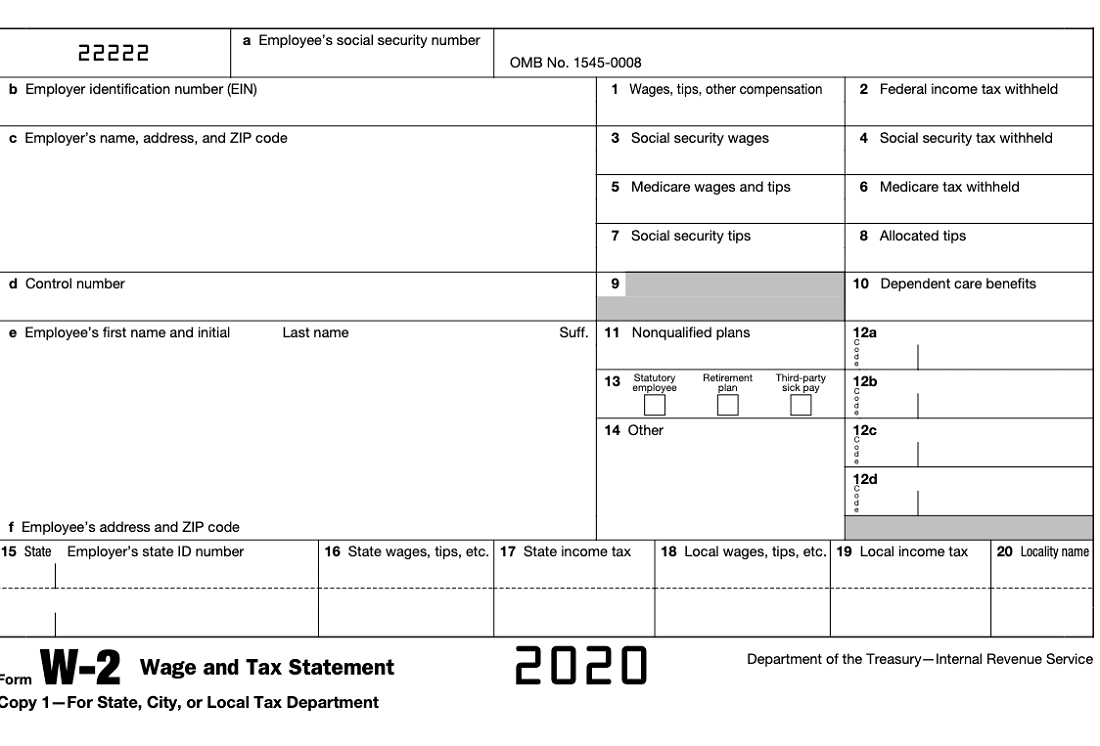
    Your IRS W2 form will look like this:

    irs-w2-form-online
    Irs w2 form.

    Getting your W-2 Tax Forms in the Post.

    Each January, companies like United Airlines issue W-2s to workers.

    Federal law requires all employers to post W-2s to all workers by January 31 st.

    The W-2 will be posted to your address in the system. If you have not received your W-2 in the post, then check that United Airlines does not have an old address of yours in their system.

    If February has come and you have no received your W-2 in your email or postal mail, then ask United Airlines HR to reissue the W-2 document.

  • How to Contact United Airlines Human Resources.

    How to Contact United Airlines Human Resources.

    if you need to contact the United Airlines HR Department, then there are several ways to contact them:

    The United Airlines Employee Service Desk is available these phone numbers:

    Domestic Phone Number: 1-847-700-5800 (Toll Free phone number: 1-800-255-5801).
    International Phone Number: 1-001-847-700-5800.

    What is the United Airlines Work Verification phone number?

    New Flight Attendants can call 1-800-367-2884 to sign up for Employment Verification & salary information. After signing up, a verifier can call the Work Number at: 1-800 367 5690, for salary verification.

    You can also contact the United Airlines HR Team on Twitter on https://twitter.com/weareunited, using hashtag #being united.

    The United Airlines’ Corporate Office is located in Chicago.

    The postal address is:

    Building Address:

    United Airlines, Inc.
    233 S. Wacker Drive
    Chicago, IL 60606
    United States

    Mailing Address:

    United Airlines, Inc.
    PO Box 06649
    Chicago, IL 60606-0649
    United States

    The United Airlines Headquarters phone number for Willis Tower Skydeck, Chicago is: 1-872-825-4000.

    The United Airlines (Houston) Corporate Support phone number is: 1-847-700-4000.

    The United Airlines (Mount Prospect) Training Center phone number is: 1-847-908-8897.

    The Mount Prospect Training Center address is: 1200 E Algonquin Rd, Mt Prospect, IL 60056, United States.
    United Airlines Customer Service and Reservations Phone Numbers.

    This section is intended for customers. Several Customer Service phone numbers are “Live”, depending on your issue, whether its about reservation baggage tracking, Mileage Plus or International Flights. To see the full list of Customer SUpport phone numbers, visit our page on United Airlines Customer Support.

    To complete a reservation or simply provide payment information over the phone, you may contact the United Reservations Hotline in the U.S. and Canada on the phone number: 1-800-UNITED-1 (1-800-864-8331).

  • What is the United Airlines Customer Service Phone Number?

    What is the United Airlines Customer Service Phone Number? How do I contact United Airlines Reservations, Cancellations and Customer Support Departments? Get the answer here.

    What is the United Airlines Customer Service Phone Number?

    The United Airlines Customer Service phone number is:Look up flight status (terminal information, standby lists, detailed inflight amenities and more) or call 1-800-824-6200 from the U.S. and Canada.

    What is the United Airlines Customer Service Phone Number for Bookings and Reservations?

    The United Airlines Customer Service phone number is: 1-800-UNITED-1 (1-800-864-8331), U.S. and Canada. Or, you can call the number on the back of your United Airlines MileagePlus card.

    The Ticket Refund Department can be reached by mail on this address:

    United Airlines, United Refunds,
    P.O. Box 4607, Dept. NHCRF,
    Houston TX 77253-3046.

    What is the United Airlines MileagePlus contact phone number?

    The MileagePlus Service Center phone number is: 1-800-421-4655 (U.S. and Canada), 7 a.m. – 12 a.m. (CT), 7 days a week.

    United Airlines Customer Service Email Form.

    Customers can also contact United Airlines through the email form at https://www.united.com/en/us/customercare.

    Other United Airlines Customer Care Phone Numbers.

    1-800-864-8331 – Main UAL Customer Service phone number. 3 mins wait.

    1-800-421-4655 – Mileage Plus phone number. 3 mins wait.
    1-800-225-8900 · Mileage Plus Premier Line. 55 mins wait.
    Email Address: mileageplus@united.com – Mileage Plus Customer Service. 10 hours wait for reply.

    1-877-624-2660 – Travel Feedback. 3 mins wait.

    1-800-538-2929 – International Flights Customer Support – Toll Free 800 number. 10 mins wait.

    1-312-364-1989 – International Customer Service phone number. 22 mins wait.

    1-800-241-6522 – United Airlines Reservations phone number. 21 mins wait.

    1-800-335-2247 – United Airlines Baggage Tarcking/Luggage Problems phone number. 17 mins wait.

    1-866-822-5827 – United Club Service Center phone number. 12 mins wait.

    1-847-700-4000 – United Airlines Corporate Offices phone number. 21 mins wait.

    1-800-231-0856 – Alternative UAL Customer Service phone number. 10 mins wait.

    Contact United Airlines on Social Media.

    United Airlines can also be contacted thorugh Social Media:

    United Airlines on Twitter at https://twitter.com/united

    You can expect and answer after a few hours on Twitter. If your query is about a Ticket, you will be asked to DM your confirmation number and other details.

    United Airlines on Facebook at https://www.facebook.com/United/.

    Click on “Send Message” to send a Facebook Messenger message to the Customer Service Team.

    Alternatively, visit https://hub.united.com.

    Have a question or problem? Share your issue to be heard, in the comment section.